Your audit team is adept at assessing vendor contracts, testing access controls, and validating data retention policies. But when AI agents start autonomously booking meetings, drafting contracts, or querying customer databases, traditional audit procedures fall short.
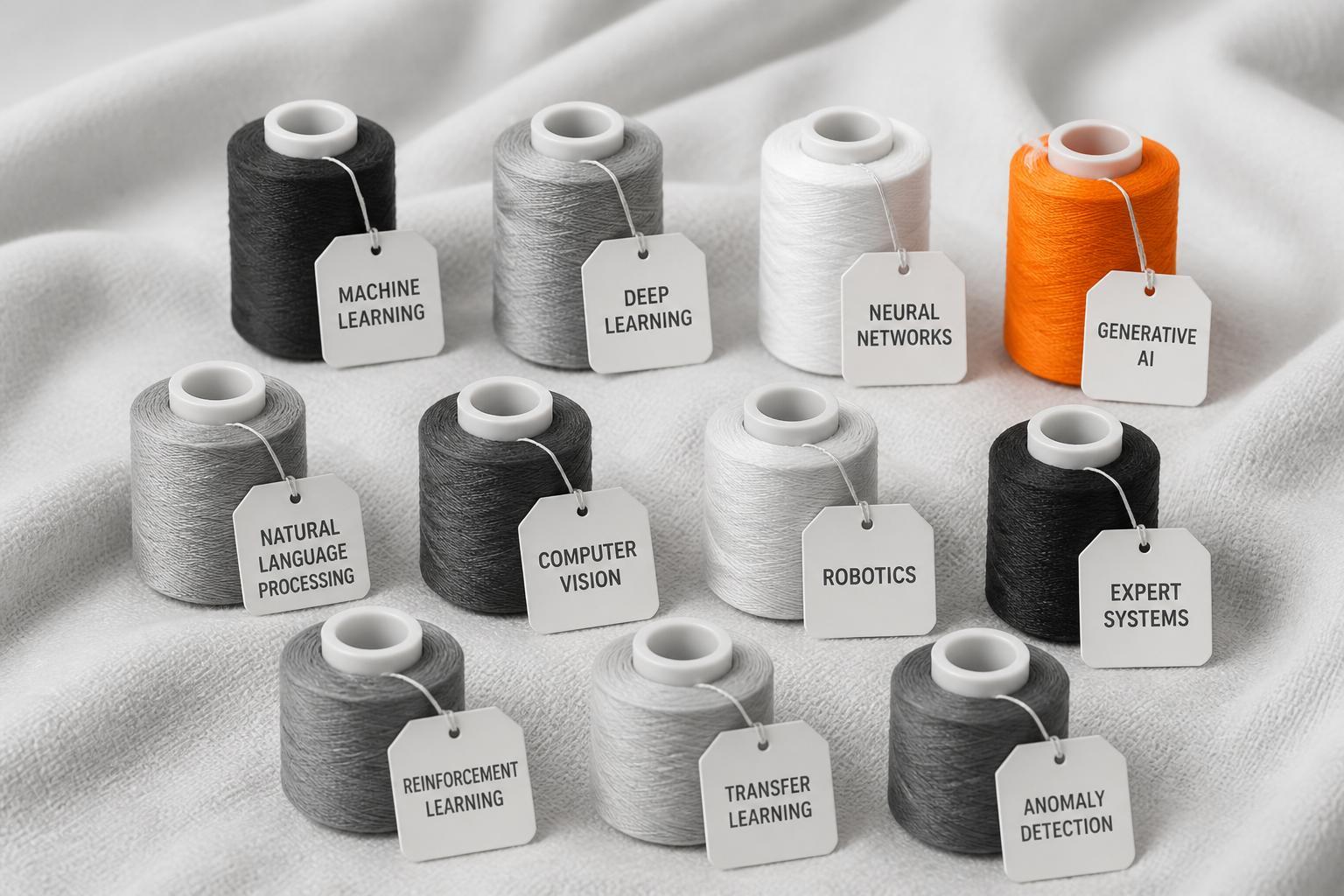
The gap between what boards think they're deploying and what's actually running in production is widening. Recent analysis shows boards often lack awareness of AI types and their risks. This isn't a simple knowledge issue; it's a taxonomy problem that increases the risk of violating Europe's stringent privacy laws. Your audit program must adapt before regulators catch up.
Why These Mistakes Keep Happening
Most audit teams have built their AI risk frameworks around predictive analytics and rule-based automation. These tools operate within set parameters: scoring credit applications, flagging suspicious transactions, or routing support tickets. You can audit their logic, test their outputs, and document their decision trees.
Agentic AI operates differently. These systems take goals, not instructions. They choose methods, query multiple data sources, and adapt based on findings. When your VP of Sales deploys an AI agent to "research prospects and draft personalized outreach," it might scrape LinkedIn profiles, cross-reference CRM data, access internal notes, and generate communications, all without logging which personal data it processed or under what legal basis.
Your audit procedures weren't designed to catch that.
Mistake 1: Treating All AI as the Same Control Risk
Why it happens: Your risk register lists "AI systems" as a single control domain, likely between "cloud services" and "mobile devices." When IT reports a new AI tool, your team applies the same vendor risk assessment used for any SaaS product.
The consequence: You're checking for SOC 2 Type II and ISO/IEC 27001 certification, but not assessing whether the AI's behavior creates unauthorized Automated Individual Decision-Making and Profiling under the General Data Protection Regulation. A chatbot answering FAQs carries minimal risk. An agentic system autonomously deciding which customer segments receive offers requires Article 22 safeguards, Data Protection Impact Assessments, and explicit consent mechanisms.
The fix: Redesign your AI risk taxonomy to distinguish between predictive AI (analyzes patterns), generative AI (creates content), and agentic AI (takes autonomous actions). Each category needs different audit procedures. For agentic systems, verify: data sources the agent can access, actions it can take without approval, how it logs decisions, and whether those decisions trigger GDPR Article 22 protections.
Mistake 2: Relying on IT to Define AI Scope
Why it happens: Your audit team asks IT for a list of "AI systems in production," and IT provides a spreadsheet of licensed AI platforms. You audit those platforms and consider AI covered.
The consequence: IT's list includes the enterprise ChatGPT license and the customer service bot. It doesn't include the marketing team's autonomous prospecting agent, the sales tool enriching lead data by querying third-party databases, or the HR chatbot screening résumés and scheduling interviews. These shadow AI deployments process personal data, make decisions about individuals, and potentially violate the Principle of Least Privilege for data access, but they're invisible to your audit program because they weren't provisioned through IT.
The fix: Audit AI deployment by business process, not by IT asset inventory. Interview business unit leaders about automated tasks, tools requiring API keys to company data, and systems generating customer communications without human review. Your audit scope should cover any system autonomously accessing personal data or making decisions affecting individuals, regardless of IT provisioning.
Mistake 3: Accepting Vendor AI Audits as Sufficient Evidence
Why it happens: The AI vendor provides their SOC 2 Type II report, and your team files it as evidence that AI controls are effective. The vendor's security controls look solid, so you move on.
The consequence: The SOC 2 report confirms data encryption and Role-Based Access Control for platform administrators. It doesn't address how your specific implementation uses the AI, what data you're feeding it, or whether your use case complies with GDPR. When your sales team uses AI to enrich prospect records with scraped social media data, you're the data controller making processing decisions. The vendor's audit report is irrelevant to your compliance obligations.
The fix: Treat vendor AI audits as evidence of platform security, not use-case compliance. Your audit procedures must test how your organization configures and deploys the AI. Document data sources connected, processing purposes enabled, automated decisions made, and whether you've completed Data Protection Impact Assessments for high-risk processing activities. If the AI processes EU resident data, verify lawful bases documented for each processing purpose.
Mistake 4: Auditing AI Training, Ignoring AI Operation
Why it happens: Your audit team reviews AI training: datasets used, data anonymization, and bias prevention. You document findings and close the audit.
The consequence: You've audited a point-in-time event (model training) but ignored ongoing compliance risk (model operation). Agentic AI doesn't just apply learned patterns; it queries live data sources, makes real-time decisions, and generates outputs that become business records. When an agent autonomously pulls customer data from your CRM, cross-references it with external databases, and generates a contract proposal, each step creates processing activities requiring legal bases, purpose limitations, and Data Minimisation safeguards. Your training audit didn't test any of that.
The fix: Shift audit focus from model development to operational behavior. Test what data the AI accesses during normal operation, how it logs data processing activities, what decisions it makes autonomously, and how your organization monitors for drift in AI behavior over time. For systems processing personal data, verify you can produce records of processing activities meeting GDPR Article 30 requirements, including purposes, categories of data, retention periods, and lawful bases.
Mistake 5: Assuming Board AI Briefings Equal Board AI Oversight
Why it happens: The CTO presents quarterly AI updates to the board, covering new deployments, use cases, and efficiency gains. The board asks a few questions, and leadership assumes oversight duty is fulfilled.
The consequence: The board hears about AI benefits but doesn't understand AI compliance risks. They don't know the difference between a chatbot answering questions and an agentic system making decisions affecting individuals. When regulators investigate a GDPR violation caused by autonomous AI processing, board members can't demonstrate they understood the risks they accepted. Under frameworks like the NIST AI Risk Management Framework and emerging regulations like the EU AI Act, boards are expected to understand AI risk categories and approve risk tolerances for high-risk systems.
The fix: Require board reporting that distinguishes AI types and their associated compliance risks. Board materials should specify which AI systems make decisions about individuals, process sensitive personal data, operate autonomously without human review, and what controls mitigate those risks. Board minutes should document discussions of specific AI compliance risks, not just AI business benefits. Your audit program should verify that board reporting includes these risk disclosures.
Prevention Checklist
Use this checklist quarterly to verify your audit program covers emerging AI compliance risks:
- Risk taxonomy updated: Your risk register distinguishes between predictive AI, generative AI, and agentic AI with separate control objectives for each category.
- Scope beyond IT: Audit procedures include interviews with business units to identify shadow AI deployments.
- Use-case testing: Audit plans test how your organization deploys AI, not just whether vendors have security certifications.
- Operational monitoring: Audit procedures verify you can produce records of AI processing activities, not just training documentation.
- Data access controls: Tests confirm AI systems follow the Principle of Least Privilege and can't access data beyond their approved purpose.
- Decision logging: For AI that makes decisions about individuals, verify you can explain the logic, document lawful bases, and provide transparency to data subjects.
- Board reporting verified: Review board materials to confirm they distinguish AI types and disclose compliance risks, not just business benefits.
- DPIA coverage: High-risk AI processing (especially agentic systems making decisions about individuals) has completed Data Protection Impact Assessments.
- Incident response ready: Your Computer Security Incident Response Team can detect, contain, and report AI-related data breaches within the 72-Hour Notification Requirement.
The compliance risk isn't that your organization uses AI. It's that your audit program can't tell the difference between AI that follows instructions and AI that makes its own decisions about people's data. Close that gap before your next regulatory examination.